Navigating the Journey: Survivor Stories and Support for Cancer Awareness and Wellness
In the vast landscape of healthcare, oncologists dedicate their lives to battling one of humanity’s most relentless foes: cancer. These warriors navigate the complexities of tumors, emerging victorious and inspiring many along the way. Survivor stories not only illuminate the path of resilience but also provide invaluable insights into cancer care, offering nuggets of wisdom for those currently walking this challenging road. What drives these individuals to triumph against all odds? Can these narratives inspire a shift in the health education we provide to future generations?
Meet Sarah, a bright and spirited woman in her 30s, who remembers hearing the word 'diagnosis' as though it were an alien language. Her journey through cancer began with a routine check-up, where her oncologist discovered a tumor that would alter the course of her life. "I thought I was going in for the flu, but instead, I was handed an unwelcome invitation to the cancer club," she quips, highlighting the surreal nature of her experience. Sarah's story, like many, emphasizes the importance of early detection and the proactive measures one can take in disease prevention. How many of us have sought out information about our own health and wellness habits before tragedy strikes?
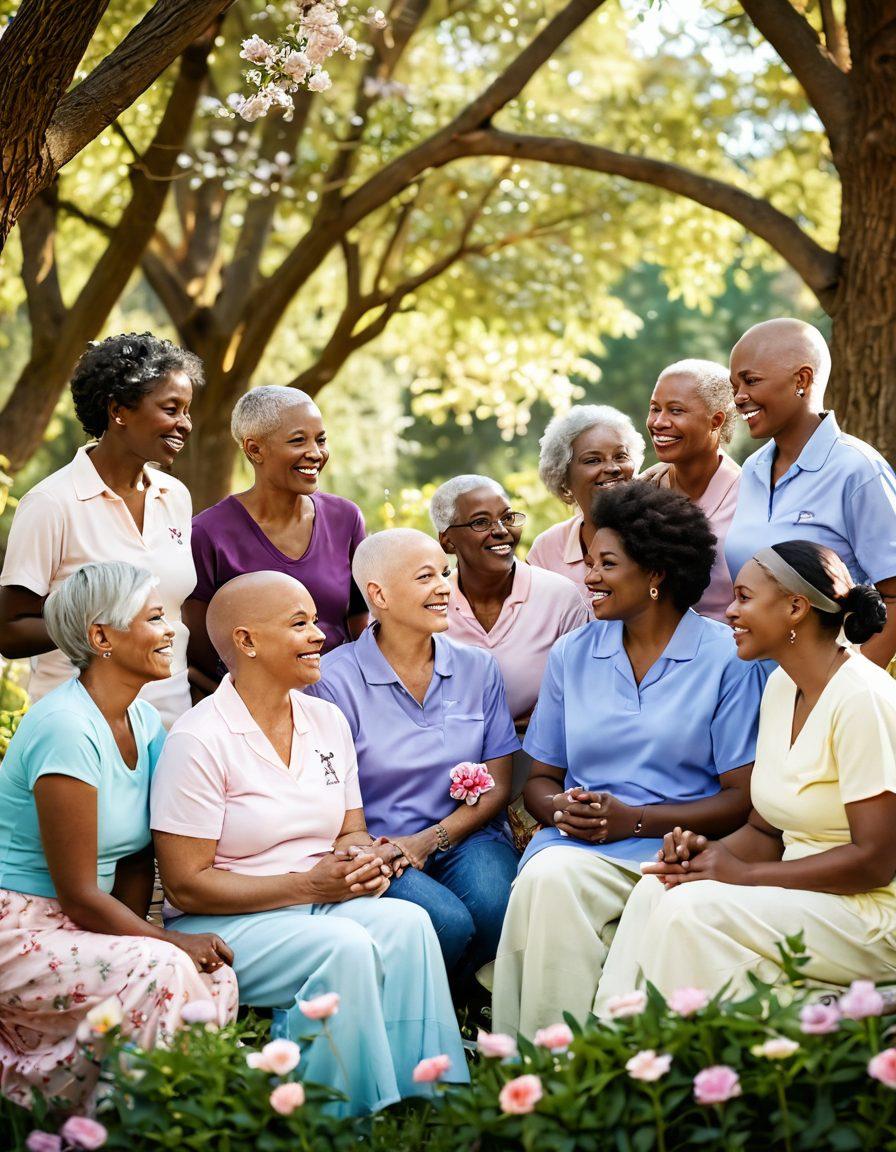
Support groups often serve as a lifeline for survivors. These gatherings become sanctuaries where individuals can share their triumphs, fears, challenges, and laughter, creating a tapestry of human experience woven from struggle and strength. The lessons learned in these circles resonate far beyond treatment; they spark discussions about alternative therapies and the need for patient advocacy in clinical trials. "Together, we are a force; we can challenge our circumstances," says Mark, a recent cancer survivor. Each survivor story not only highlights personal victories but contributes to the greater narrative of cancer awareness, emphasizing how crucial it is to lift each other up during our darkest hours.
One of the most compelling aspects of living with cancer is the wealth of knowledge that survivors bring to the table. Take Linda, who after overcoming her diagnosis, dedicated her life to educating others about cancer care. She visits schools and community centers, passionately speaking about the realities of cancer treatment and the significance of creating a supportive environment. "If I can help just one person understand their diagnosis and available therapies, then I have done my part, "she shares. Linda’s dedication reinforces the notion that survivor stories can influence how we approach wellness and healthcare, effectively changing the conversation around cancer.
In conclusion, the journey of those living with cancer transcends individual battles; it is a collective movement towards hope and healing. Survivor stories showcase triumphs and lessons that can inspire action within all of us. These narratives highlight not just the need for better healthcare and cancer research but also reflect the spirit of community and solidarity. How can we ensure that these inspiring accounts serve not just as tales of survival but as a call to action in our respective support groups and local communities? Together, let's carry these stories forward and promote a brighter, healthier future.
Navigating Support: Essential Resources for Cancer Awareness and Wellness
Navigating the tumultuous waters of cancer awareness and wellness can often feel overwhelming. With a sea of information available, where do we even begin? The answer lies in essential resources that not only educate but also empower those affected by cancer. When it comes to navigating support, the journey is not solely medical; it is deeply human, relying on shared experiences and reliable information. As the cancer advocacy community emphasizes, "No one should walk this path alone," and finding the right support can make all the difference in the world.
When we think about oncology, terms like diagnosis and treatment immediately come to mind. But what about the emotional and psychological aspects? Living with cancer is not just a clinical issue; it’s a journey that involves emotional resilience and a strong support system. This is why patient advocacy plays a crucial role in connecting individuals to the resources they need. With specialized support groups and health education platforms, survivors and thrivers learn to navigate their healthcare landscape with newfound strength and understanding. Have you considered how a simple group conversation could change your perspective on resilience in the face of disease?
Moreover, the value of survivor stories cannot be underestimated. They ignite hope and illuminate pathways through adversity. Real-life accounts of triumph over challenges give weight to the notion of wellness. Consider this: how often do we hear that laughter truly is the best medicine? Survivor stories resonate because they reflect shared struggles, and they remind us that despite the darkness of a tumor diagnosis, light can indeed be found. As we weave through tales of victory and resilience, we discover the incredible array of alternatives therapies that complement standard medical care.
In the realm of cancer research, there’s an ongoing quest for effective treatment and disease prevention strategies. Clinical trials are often regarded with skepticism, yet they represent hope in the form of new therapies. Connecting with healthcare providers in your area can provide up-to-date information on clinical trials available, which could be instrumental for those seeking innovative treatment options. It is crucial to inform and encourage individuals to ask questions, engage with their oncologists, and seek out these resources. Could your journey be inspired by exploring these alternative avenues?
Lastly, early detection cannot be overemphasized when discussing cancer awareness. Education surrounding this topic is the first step in patient support. Whether it’s participating in local cancer awareness events or engaging with medical blogs dedicated to health education, proactive measures are available to everyone. Remember, cancer care is not just the responsibility of the few on the frontlines; it is a collective effort. As a community, cherishing and sharing the essence of support strengthens the entire fabric of our fight against cancer. How can you become part of this vital network of awareness today?
From Diagnosis to Recovery: A Holistic Approach to Living with Cancer
Imagine receiving a diagnosis that feels like an earthquake, shaking the very foundation of your life. For many, a cancer diagnosis is not just news; it’s a life-altering event that brings uncertainty and fear. Yet, amid this darkness, there lies a glimmer of hope. The journey from diagnosis to recovery can be a pathway to resilience, with many turning their challenges into compelling survivor stories that uplift and inspire. How do we navigate this daunting journey? What steps can we take to embrace a holistic approach to wellness while living with cancer?
Understanding the complexities of oncology, particularly when faced with a tumor diagnosis, is crucial. The healthcare system can feel overwhelming, with a myriad of treatment options available, including therapy, clinical trials, and alternative therapies that promise various benefits. The key lies not only in understanding these options but also in actively participating in one's cancer care. Patient advocacy is vital—seeking support from healthcare professionals who prioritize open communication can transform your experience. Have you considered how involvement in your own care could impact your healing journey?
Take Clare, for example, a resilient survivor who shares her inspiring story on a medical blog. After her diagnosis, she surrounded herself with a robust support network, including her healthcare team, family, and an online community that connected her with others who were also living with cancer. Support groups became a sanctuary for her—a space where raw emotions flowed freely and collective wisdom thrived. Clare reminds us, "Support isn’t a sign of weakness; it’s a strategy for survival." Have you found your own support community in times of struggle?
One of the most empowering aspects of living with cancer is taking charge of your wellness. Cancer awareness campaigns emphasize the importance of early detection and education on disease prevention. Integrating health education into your daily life can make a significant impact. Conscious choices in nutrition, exercise, and mental health practices can bolster your overall well-being while negotiating the complexities of diagnosis and treatment. Consider exploring mindfulness techniques or physical activities tailored for cancer patients—what steps can you take today to embrace a better quality of life?
Finally, never underestimate the power of sharing survivor stories. These narratives not only cultivate empathy and understanding within our communities, but they also serve as a beacon of hope for those who feel lost. By discussing their experiences, survivors create a tapestry of resilience, reminding us that healing often comes in waves—some gentle, others turbulent. Their stories encourage individuals affected by cancer to trust in the process, advocate for themselves, and seek both traditional and alternative therapies. Are you ready to share your story and join a community of voices advocating for impactful cancer care?